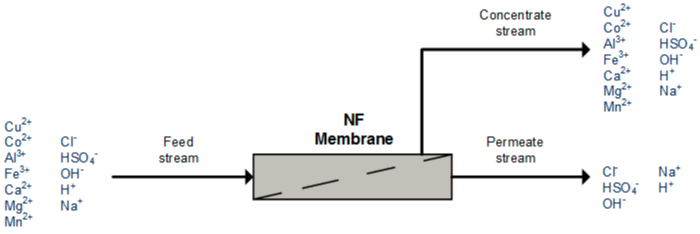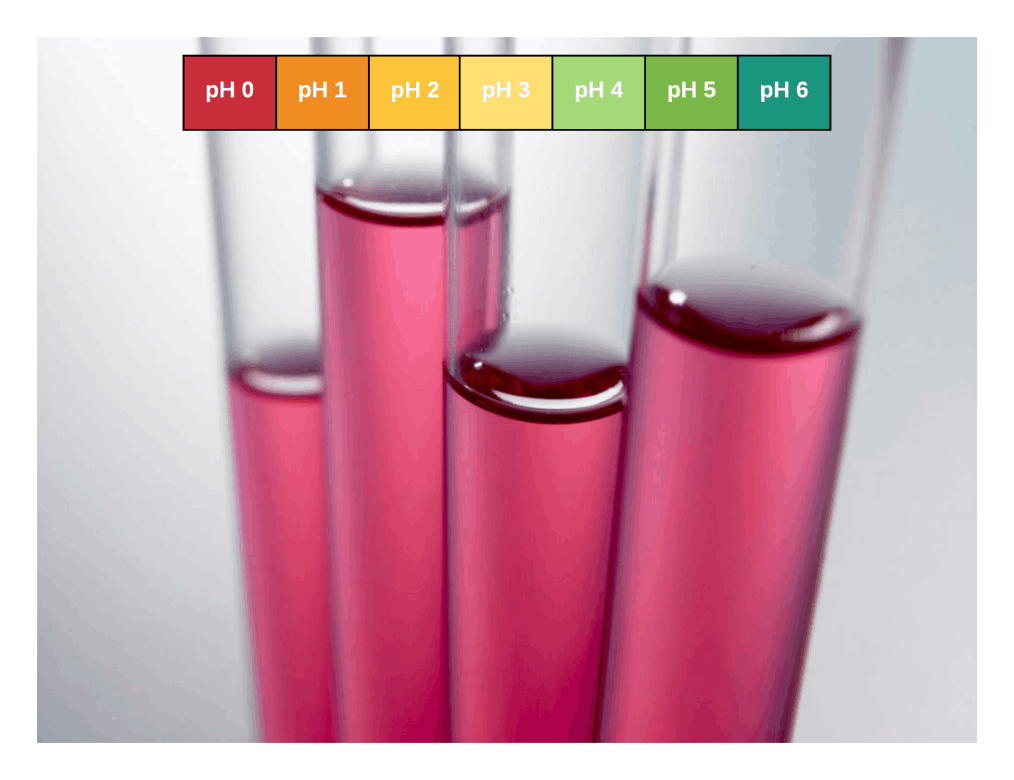
Acid-stable membranes are used to selectively seperate and purify acidic stream whilst simultaneously concentrating the divalent ions in the solution typically metals or impurities.
Neutralization of acidic streams are a substantial cost driver for any process producing difficult slags that need to be disposed. Purifying and recycling acid reduces fresh acid consumption, neutralization chemical consumption and environmental impact showing measurable process savings.
* Mining and Minerals extraction
* Chemicals processing
* Food and Beverage applications
* Dairy industry
* Recovery of acids from leach streams (heap and tank)
* Recovery of acids from EW electrolyte streams
* Seperation of acids from IX eluate streams
* Purification of acids from SX raffinate streams
* Waste pond reprocessing and recovery
* Cleaning chemical recovery
* Sulfuric acid (H2SO4)
* Phosphoric acid (H3PO4 / P2O5)
* Nitric acid (HNO3)
* Hydrochloric acid (HCl)
* Prussic acid (HCN)
* Mixed cyanide solutions
* Mixed acid solutions
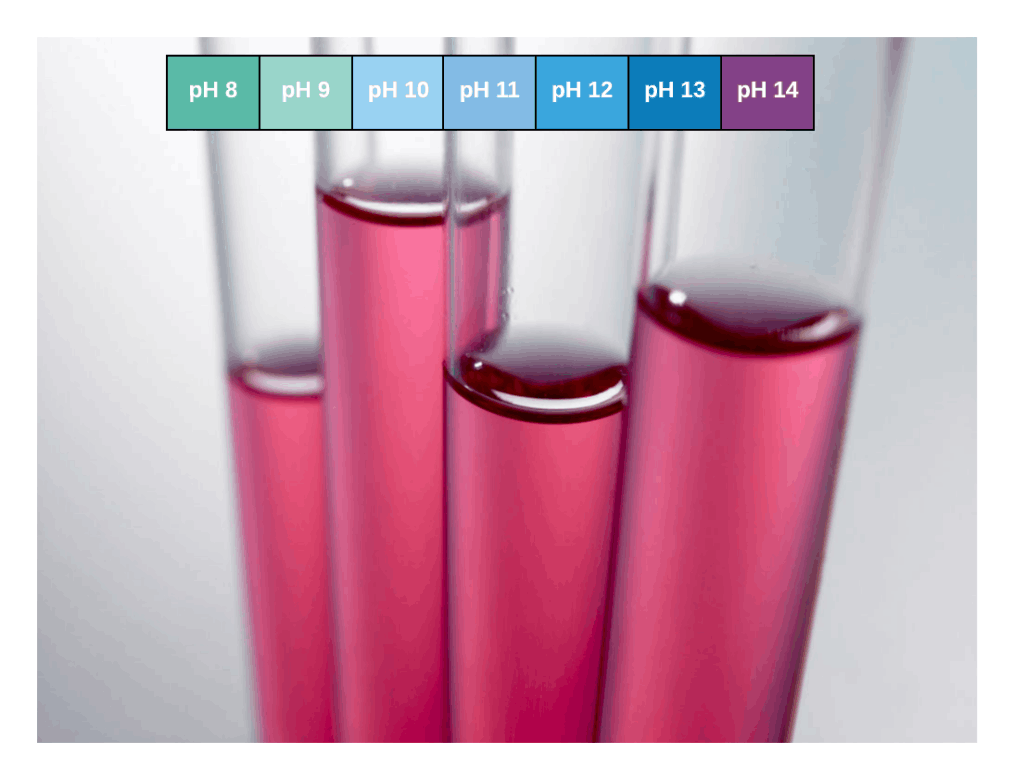
Membrane applications in alkaline processes are effective in seperating organic contaminants from caustic liquors such as cleaning solutions from food, beverage and diary systems.
Selective seperation of monovalent metals in alkaline streams and leach reagent recovery are key applications in Mining and Minerals extraction processes.
* Paper and Pulp Industry
* Food and Beverage applications
* Dairy industry
* Chemicals processing
* Recovery of spent alkaline solutions
* Purifcation of caustic solutions
* Seperation of alkalis from IX eluate streams
* Sodium hydroxide (NaOH)
* Sodium bicarbonate (NaHCO3)
* Potassium hydroxide (KOH)
* Lithium hydroxide (LiOH)
Concentration of products are an added benefit of acid and alkaline recovery processes. The divalent ions in solution are rejected by the membranes into the Concentrate stream and water together with other monovalent ions into the Permeate stream.
Volumetric reduction, concentration and seperation of metals improve process throughput simultaniously reducing operating expenses. Membrane systems have proven to be extremely efficient in treating low concentration metals from waste ponds.
* Copper and cobalt
* Nickel and zinc
* Gold and silver
* Mixed base metals streams
* Uranium
* Venadium
* Molybdenum
* Iron